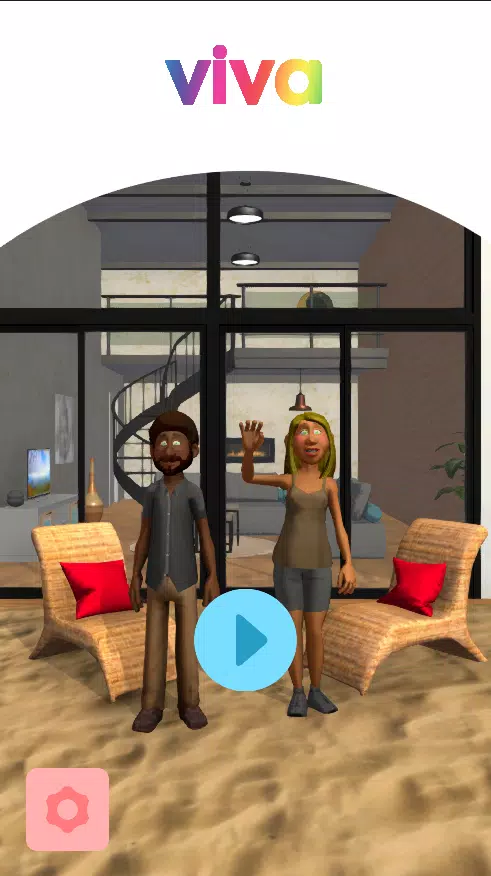
Vivr brings a fresh twist to language learning by turning practice into an augmented reality experience. The app blends AR interactions with situational scenarios so learners can practice vocabulary and conversational phrases in simulated real-life contexts. Vivr is designed for people who find traditional drills tedious and want a more playful, memorable way to build fluency — think of practicing at a virtual market, café or street encounter where responses matter and repetition feels natural. The result is a learning loop that encourages exploration, trial-and-error and confidence-building without the pressure of a classroom.
Gameplay and Core Experience
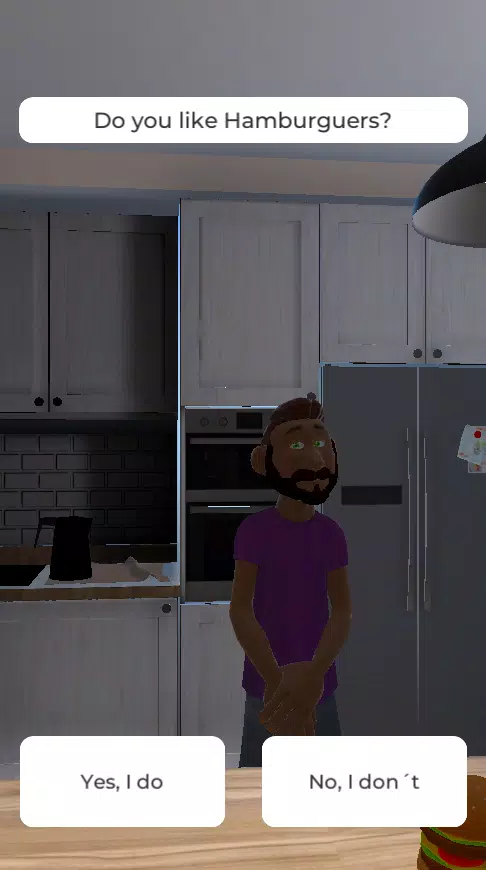
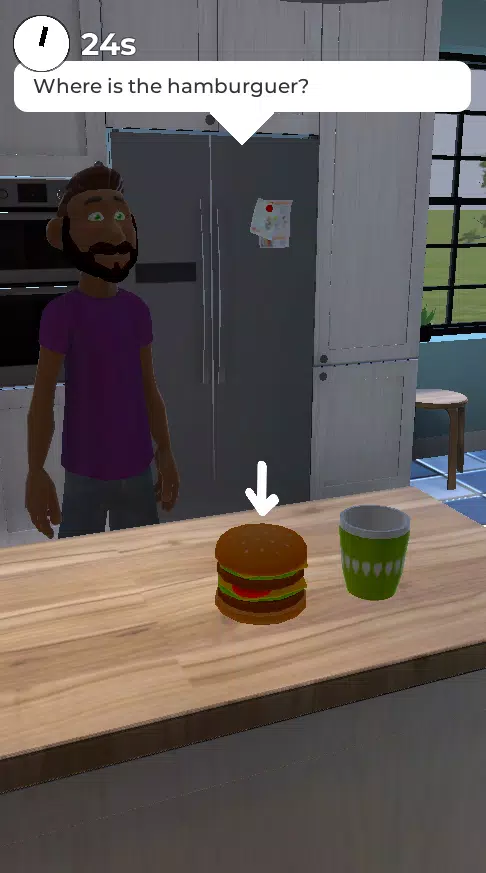
At the heart of Vivr is a scenario-driven loop that invites players to explore everyday situations rendered through AR. Mechanics center on interacting with virtual characters and objects, responding to prompts and choosing appropriate phrases, which reinforces comprehension and speaking confidence. Challenges adapt as users progress, offering increasing complexity in dialogues and situational demands. The core experience rewards curiosity: players learn by doing, making mistakes and correcting them in context rather than memorizing isolated lists of words.
Key Features
Vivr’s main strengths are its immersive scenarios, AR-driven interactions and a focus on practical communication. The app emphasizes real-life contexts where language is actually used, so practice feels relevant and purposeful. Feedback and repetition are built into each scene to reinforce learning, and the game-based format keeps motivation high by turning practice into short, engaging sessions. These aspects combine to make language study more accessible for casual learners and motivated self-starters alike.
Visual Style and Atmosphere
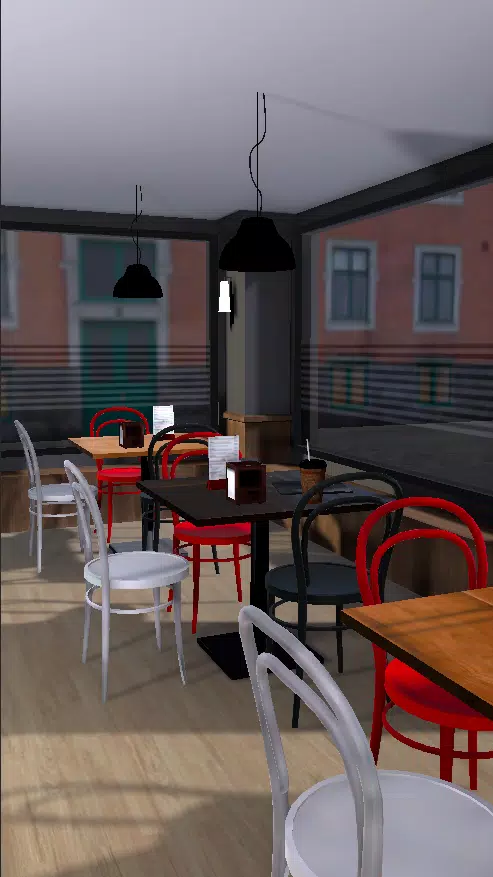
Visuals in Vivr favor clarity and approachability: environments and avatars are designed to support comprehension rather than distract from it. The AR layer integrates with the player’s surroundings to create believable scenarios while keeping cues and prompts readable. The tone balances playful elements with a practical focus, ensuring the atmosphere encourages experimentation and lowers the anxiety that often accompanies speaking practice.
Conclusion
Vivr reimagines language practice as an active, game-like exploration of everyday situations. By combining AR with scenario-based interactions, it helps learners step out of rote repetition and into contextualized practice that builds usable fluency. For anyone tired of flashcards and looking for a more dynamic way to learn, Vivr offers an inviting, hands-on alternative that emphasizes real communication and steady progress.